

Road Ragebait
Written by Mike Leach
As students begin a new chapter of life in high school, that change typically entails the start of their life as drivers. As they learn the ins and outs of driving, they also discover their own personal habits, concerns and especially, their pet peeves.
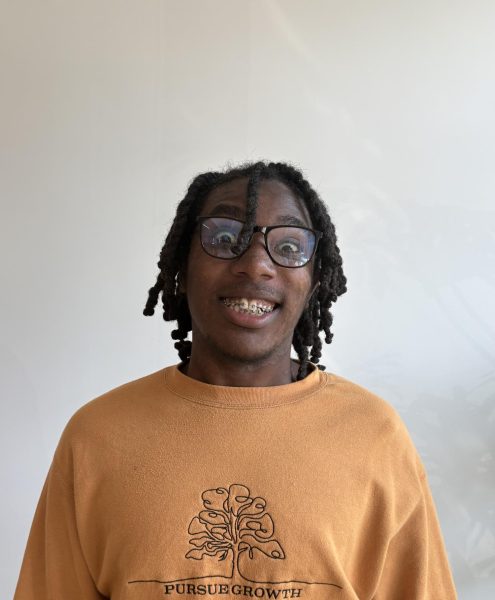
 As asenior, Yoya Ke has had nearly four years of driving experience and the chance to explore what exactly peeves her when driving, particularly around the school.
“None of the parents and a lot of students know how to drive in a roundabout, even though they’ve probably already been taught before,” she said.
General congestion within the parking lot is a concern that many BV students have expressed. Ke feels a roundabout is one of the components of the congestion, largely due to poor driving.
“A lot of people will drive in the roundabout, and they’ll stop and wave for you to go, but clearly, you have the yield sign,” Ke said. “It would be better if people just followed the road rules.”
Ke also expressed her concerns about the safety of driving around the roundabouts, explaining how a backed-up lot can lead to issues like rear-end collisions, T-bones and more general crashes.
Sophomore Ziva Ye shares similar sentiments about safety but has her own grievances.

“On the highway, people speed really fast, not [using their] turn signal,” Ye said. “I don’t want to die in a car crash.”
As opposed to just the high school parking lot, Ye has concerns about driving outside of school zones in places such as the highway, where she feels as if the danger is considerably greater.
Experiencing poor driving has led to Ye’s frustration with drivers’ lack of concern and safety, which she feels stems from a false sense of urgency.
“Oh my gosh, you’ll be fine. You’ll get to your parking spot,” Ye said. “It’s really annoying because I saw somebody go into the lane without the right turn signal, and I was like, ‘OK, wow.’”
Eyes Up Phone Down
Written by Cady Reynolds
Everyone knows you shouldn’t text and drive. Dangerous and distracted driving is third on the list of reasons for deaths in the United States — so why do we do it so much?
Americans spend so much time in cars it’s natural that we have star
ted to get more comfortable in them. Most who think you shouldn’t text and drive are more prone to it than they’d admit.
“I’m not on my phone; I’m clocking out of work.” “I’m not on my phone; I’m just checking the grocery list.” Or the worst, “Yeah I’m on my phone, but I do it all the time it’s no big deal.”
The idea of texting and driving hinges on the ability to multitask, something that proven impossible. Anytime you think you are multitasking, you are doing each task at a lower level. This is fine if you are listening to music while doing math, but when driving with a heavy motor vehicle, you can’t be operating at a lower level.
Many don’t know that even being on your phone while behind the wheel is illegal in most states, including Kansas. Just using a cell phone while in the driver’s seat has a fine of $60 in Kansas, regardless of if damage was caused.
Texting while driving is not a small issue. At any moment during the day, more than 326,000 drivers are holding a cell phone to their ear while driving, according to the National Highway Traffic Safety Administration. However, even more than that — 424,000 people — were injured due to distracted driving in 2023. More people than just the ones texting or calling are getting hurt; almost 100,000 more people per year are getting injured due to an avoidable problem.
So, texting and driving is bad, but what are we going to do about it?
A new house bill, Bill 2499, took effect on July 1, 2025 and adds regulations and amendments to driving and technology policies in Kansas.
The bill outlines a ban on handheld cellphone usage, allowing drivers to use hands-free communication, like Bluetooth or Siri, on the road.
No one should be on their phone while driving. It’s selfish, illegal and you’re putting yourself and others at risk. Fortunately, government policy is being updated to reflect current life by offering safer options to communicate when driving, since it’s such a massive part of American culture.
High Speed Chase
Written by Abbey Blasi
Officer CC is currently working as an SRO in the Lansing School District. CC has been a cop for over 10 years and has also excelled in other law enforcement jobs.
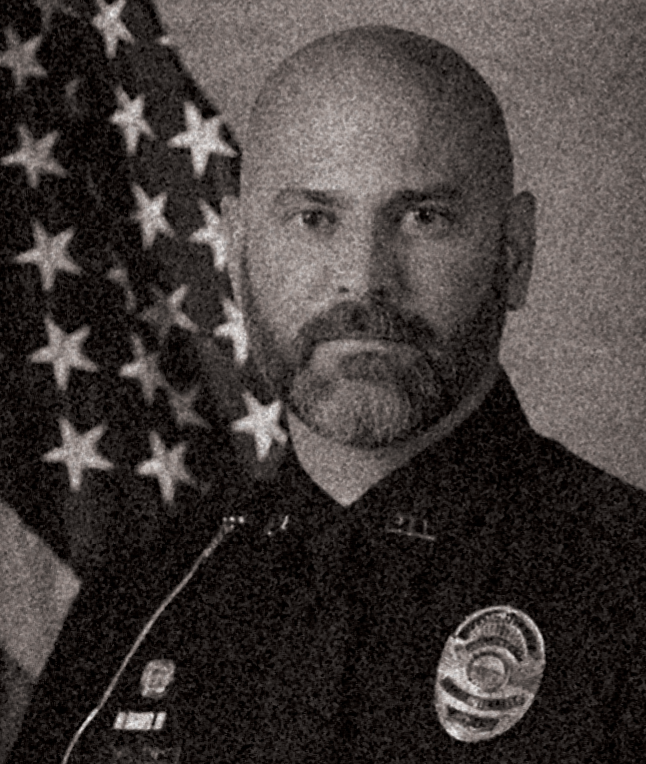
“When I started, I was a basic patrol officer,” he said. “Then [I became] a field training officer, a bicycle officer, a school resource officer, a drone pilot, a detective and in the army.”
During his years as a cop, CC has witnessed many situations involving speeding and how to deal with it.
“It matters how I interact with them, but most of the time cops outnumber [the driver],” CC said. “[This] helps compliance, and at the end of the day, what matters is everyone makes it home safe.”
When someone goes over the speed limit more than 30 miles per hour, CC explained how he radios to other cops to not put other drivers at risk of a high-speed chase.
“The fastest I’ve pulled someone over for was around 40 mph over,” he said. “They were compliant and got a big fine.”
CC finds it important for kids to know how to handle being pulled over and not escalate the situation.
“The biggest problem is kids think they know their rights when they don’t,” he said. “The best thing to do is comply, but don’t talk. Just listen, don’t fight — wait till court if you want to argue.”
It’s important to have your insurance and registration ready, so it doesn’t seem like you’re looking for something worse, and cops can’t ask more questions.
“My goal is for [both of us] to make it home at the end of the day,” CC said. “Not talking is the best advice I can give.”
Dealing with adults versus kids has its own challenges.
“Kids are easier to deal with than adults because they have a sense of innocence and will listen,” he said. “Adults feel entitled and are stuck in their ways, which makes it harder, and that won’t change much.”
Officer CC said he focuses on helping kids become better, even after they make bad choices.
“I believe there’s still a way to mold them into productive members [of society] with the help of others and by not talking down to them,” CC said.
There are many other challenges of being a cop and the sacrifices involved in the job.
“It’s hard to be there for your family, and you miss out, but you’re bettering the community for them,” he said. “Professionally, leadership has become too political, and with bad leaders, there’s constitutionally wrong things happening, and it’s hard to make it in law enforcement with the toxic leaders.”
Another difficulty involved in law enforcement is keeping secrets because not all information can be shared.
“I can’t tell my kids everything I deal with,” he said. “It’s hard to struggle and not be able to tell why, and people don’t understand how challenging that is.”
Officer CC has faced many challenges and experienced a lot while working in law enforcement. His final advice to students is to be careful what they do, especially online, because anything can be recovered.
“It’s easy to survive high school by staying out of trouble,” CC said.