
Artificial intelligence (AI) art is where generative AI creates images that people push as art except it causes multiple issues among actual artists, the environment, and legal uses.
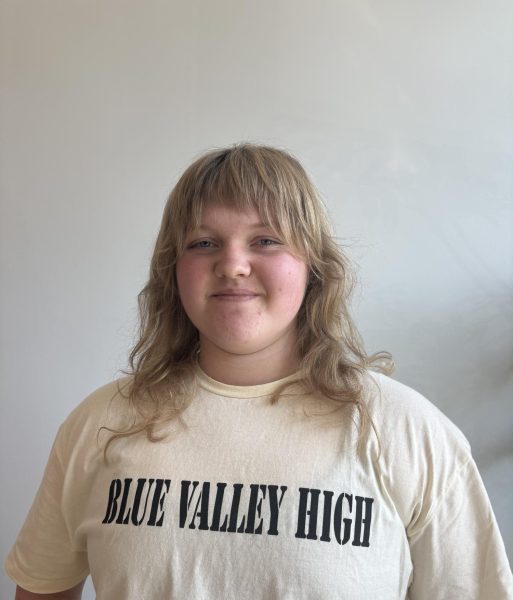
What makes art beautiful is “the human expression that goes into it and how [much effort] it took to create said art,” junior Uli Brock said. “AI disregards all of that and removes the human factor from art.”
Brock feels strongly about the rise of AI art, as she said it is “soulless and not worth [anyone]’s time.” But many people would argue that AI helps people who are disabled.
“There was this guy who said he uses AI to make art [since] his ADHD makes him unable to,” Brock said. “That’s gotta be a joke; anyone I’ve met with ADHD makes art.”
People with disabilities are more likely to create art more than people without disabilities and so the argument is “null” because “I’ve seen so many people with disabilities [create] art and say [it’s] amazing,” Brock said. A lot of the time it’s people without disabilities using this argument “so that fact rubs me the wrong way.”
AI is also known to have a negative impact on the environment.
“Radiation from the data centers and the fact water isn’t reusable [after use],” due to its harm on nature, is “lowering water for many places,” Brock said.
Alongside the harm in the environment there’s also a case about not being able to copyright AI art. Additionally there have been many issues of AI stealing actual artists’ artwork which is why “[There] should [be more] regulations on [ai].” Brock said.
Just this year the shut down of Sora AI, “which is wonderful, amazing” Brock said, lowered the creation of AI art which was a small win for artists in “[shutting] AI art down.”